Serving Kendall, FL and surrounding areas. (645) 300-7598
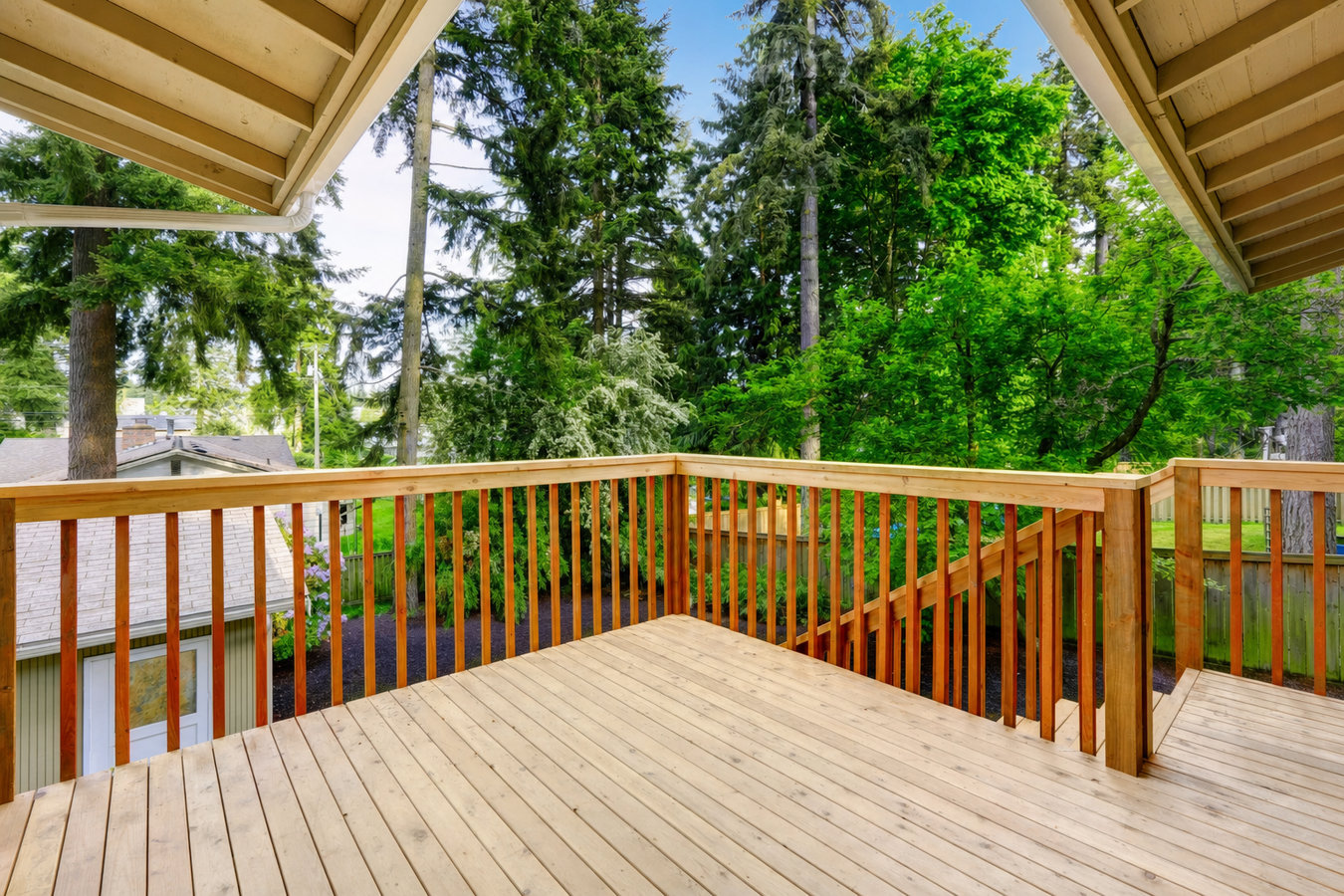
Permitted deck railing built to Miami-Dade wind standards - aluminum, composite, or wood options installed with the anchoring methods local inspectors require.
Deck railing installation in Kendall, FL means anchoring posts into the deck framing, installing top and bottom rails, fitting balusters at the spacing Florida residential code requires, and completing the Miami-Dade County permit and inspection process - most standard installations finish in one day of active work, with the full timeline from first call to passing inspection running three to four weeks.
Homeowners in Kendall call us about railings for a few common reasons: the existing railing wobbles or shows rust and rot at the post bases, the deck is 30 inches or more off the ground and has never had a railing, or the current baluster spacing does not meet today's code. In Florida, if your deck sits more than 30 inches above grade, a railing on the open edges is not optional - it is a legal requirement under the state building code. For homeowners planning a new deck at the same time, our multi-level deck service integrates railing design and installation as part of the full build.
Miami-Dade County requires that railings - especially post connections - be anchored to withstand the lateral wind forces common in South Florida storms. The Miami-Dade County Building Department inspector checks anchoring methods at the final inspection. The U.S. Consumer Product Safety Commission publishes deck safety guidelines that cover baluster spacing and railing height requirements we follow on every project.
Stand at the railing and push firmly with both hands. If it shifts, sways, or feels loose at the base of any post, the connection to the deck frame has likely weakened. In Kendall's climate, this often happens because moisture works its way into the post base over time - a loose railing is a fall hazard that should be addressed before anyone leans on it.
The bottom of each post - where it meets the deck surface - is the most vulnerable spot. If you see rust staining on metal posts, soft or discolored wood around a wooden post base, or paint that is bubbling and peeling, moisture has already gotten in. South Florida's humidity and frequent rain make this kind of damage happen faster here than in drier climates.
If your deck sits more than two and a half feet above the yard and does not have a railing on the open sides, it does not meet Florida's safety requirements. This is especially common on older Kendall homes where decks were built before current codes were in place - and it is a liability issue if anyone falls.
Stand back and look at the vertical pieces between your top and bottom rails. If the gaps look wide - wider than about four inches - they may not meet current safety standards. This is a common issue on older railings and one that is easy to spot without any tools.
We handle every step of your railing project - on-site measurement and framing assessment, material selection guidance, Miami-Dade County permit application, HOA design submission if your community requires it, removal of the old railing if there is one, post anchoring, rail and baluster installation, cap and trim work, and the county inspection process. We walk you through style and material options at the estimate visit so the design fits both the look of your deck and the long-term maintenance level you want. For homeowners who are building a new deck at the same time, our custom deck design and build service incorporates the railing as part of the full project rather than a separate installation.
Material choice matters more in Kendall than in most parts of the country. Year-round UV exposure, near-constant humidity, and salt air in neighborhoods closer to Biscayne Bay all affect how different materials age. Aluminum and composite railings were designed for exactly this kind of climate and require almost no maintenance to stay solid and looking good. Wood railings are a legitimate option when properly sealed, but require annual attention in South Florida conditions. We recommend materials based on your specific location in Kendall, your HOA requirements, and your maintenance preferences.
Best all-around choice for Kendall - resists rust, UV fading, and salt air without annual treatment, and meets Miami-Dade wind anchoring requirements reliably.
Low-maintenance option that combines durability with a wood-like appearance - holds up well in South Florida's humidity without rot or warping.
Suits homeowners who want a natural look and are willing to seal the surface annually to protect against Kendall's moisture and UV conditions.
Horizontal stainless steel cables between posts - preserves sightlines to the yard or pool, requires stainless hardware to resist salt air near the coast.
Tempered glass panels for unobstructed views - popular on pool decks and elevated platforms where a clean sight line is the priority.
Kendall sits in Miami-Dade County, which enforces some of the highest wind-resistance requirements for residential structures in the United States. Those requirements apply to railings just as they do to roofs and walls. In practical terms, the posts must be anchored with hardware and methods tested and approved for use in Miami-Dade's high-wind zone - and the county inspector will check this specifically. A contractor who has not worked in Miami-Dade before may not know which anchoring methods pass inspection here, which can mean a failed inspection and a return visit. Homeowners in Cutler Bay and Homestead face the same requirements - we work regularly in both communities and know exactly what the inspectors here look for.
Beyond the code requirements, Kendall's year-round subtropical climate is genuinely harder on railing materials than what most of the country experiences. Salt air from Biscayne Bay affects communities east of the Turnpike, making stainless steel hardware and powder-coated aluminum the right call in those areas. The intense UV that comes with more than 250 sunny days per year fades and degrades wood finishes much faster here than in cooler climates. Many of Kendall's HOA-governed communities also have their own design standards for railings - material, color, and profile restrictions that vary from one neighborhood to the next. Getting both the HOA approval and the county permit lined up before work begins saves the time and cost of making changes after installation.
Reach out by phone or through our contact form and we respond within 1 business day. We ask a few questions about your deck size, height, and material preferences, then schedule an on-site visit with no commitment required at this stage.
We measure the deck perimeter, look at how the deck is framed underneath, and walk you through material and style options. This visit is free. We also confirm whether a permit is required for your project - and in Kendall, it almost always is.
We submit the permit application to Miami-Dade County and handle the approval process - typically one to two weeks. On installation day, the crew removes your old railing if there is one, anchors the new posts, installs rails and balusters, and adds caps and trim. Most standard deck railing jobs finish in a single day.
After installation, we schedule the county inspection and attend on your behalf. An inspector verifies the railing meets local safety and wind-resistance requirements. Once it passes, we do a final walkthrough with you - covering maintenance, what to watch for over time, and leaving you with a copy of the permit and inspection record.
We respond within 1 business day, the estimate is free, and there is no obligation. We will measure your deck, walk you through material options, and give you a written quote that includes permit fees - no surprises.
(645) 300-7598Every railing we install in Kendall uses post anchoring methods and hardware that meet Miami-Dade County's high-wind requirements. This county sits in one of the highest wind-speed zones in the country, and a properly permitted railing here is anchored to handle storm-season lateral forces - not just to look solid on a calm day.
We handle the entire Miami-Dade permit process from application to the inspector visit. A closed permit and inspection record protects you when you sell your home and when you file an insurance claim. Unpermitted railings surface at closing, and correcting them under time pressure costs more than doing it right the first time.
A large share of Kendall's residential communities have HOA design standards covering railing color, material, and style. We ask about your HOA at the estimate stage and select a design that meets those requirements before plans are submitted - so you do not receive a violation notice after the installation is done.
Neighborhoods south and east of the Turnpike in Kendall sit close enough to Biscayne Bay that salt air is a real factor for metal components. We specify powder-coated aluminum or stainless steel hardware in these locations and recommend composite or aluminum railings for their track record in Kendall's specific combination of heat, humidity, and coastal air.
Every railing we install in Kendall is permitted, inspected, and anchored to Miami-Dade County's standards. That combination of local wind code knowledge, material expertise for South Florida conditions, and HOA familiarity is what separates a railing that passes inspection and holds up for years from one that creates problems down the road.
Build a fully custom deck from the ground up - railing design is integrated into the project from day one rather than added after the fact.
Learn MoreTwo- or three-level deck structures that require code-compliant railing on every platform and stairway - we handle both the structure and the railings together.
Learn MoreA loose or missing railing is a safety and liability issue - do not wait. Reach out today and we will handle the Miami-Dade permit process start to finish. Call us or request a free estimate now.